Cabin Luggage Rules for Domestic and International Flights
Whether you're traveling for business, a family vacation, or an international adventure, understanding cabin luggage rules is essential for a smooth airport experience. Every year, thousands of travelers face delays, extra fees, or baggage issues simply because they are unaware of airline carry-on restrictions.
This guide explains everything you need to know about cabin luggage rules for both domestic and international flights, helping you pack smarter and travel with confidence.
What Is Cabin Luggage?
Cabin luggage, also known as carry-on baggage, is the bag you bring with you into the aircraft cabin. Unlike checked baggage, cabin luggage remains under your supervision throughout the journey.
Most travelers use cabin luggage for:
- Essential documents
- Electronics
- Valuables
- Medications
- Travel accessories
- A change of clothes
A well-designed cabin trolley can often accommodate everything needed for short business trips or weekend getaways.
Standard Cabin Luggage Size Guidelines
Although baggage policies vary by airline, most domestic and international carriers follow similar cabin baggage dimensions.
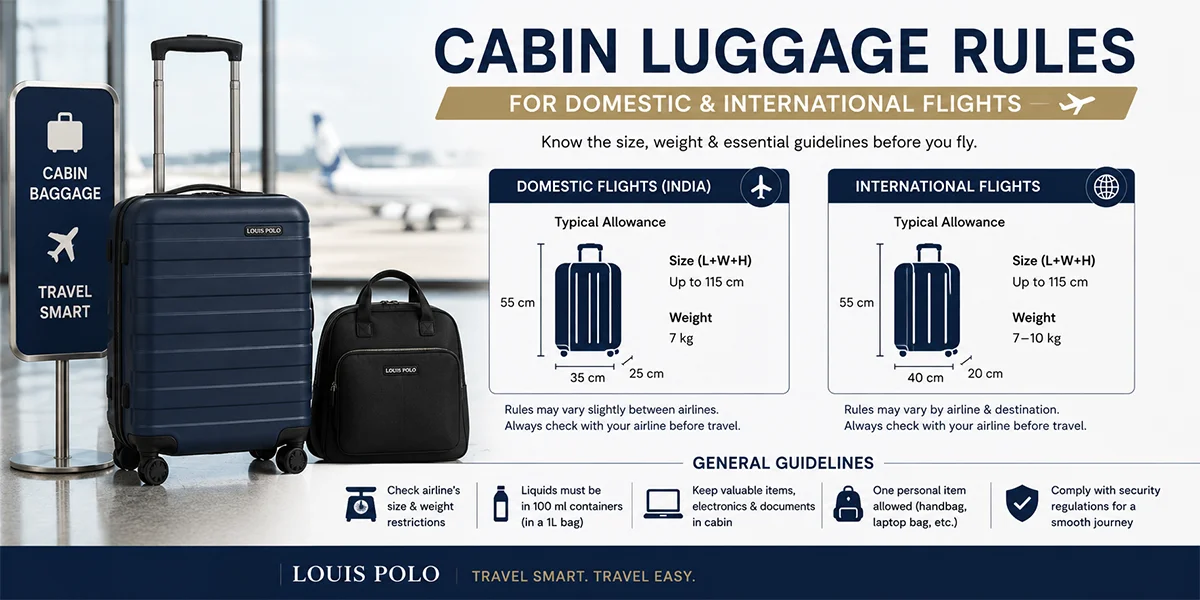
Typical cabin luggage dimensions:
- Height: Up to 55 cm
- Width: Up to 40 cm
- Depth: Up to 20–25 cm
These dimensions generally fit within overhead storage compartments while complying with airline regulations.
Before traveling, always check your airline's official baggage policy, as size restrictions may vary.
Cabin Baggage Weight Limits
Weight allowances differ between airlines, ticket classes, and destinations.
Common allowances include:
- Domestic Flights: 7–10 kg
- International Flights: 7–12 kg
- Premium Classes: Higher allowances may apply
Exceeding weight limits can result in additional fees or require your bag to be checked in.
Pro Tip:
Choose lightweight cabin luggage to maximize packing capacity without exceeding weight restrictions.
Items Allowed in Cabin Luggage
Most airlines permit the following items in carry-on baggage:
Travel Essentials
- Passport
- Identification documents
- Boarding passes
- Wallet and personal items
Electronics
- Laptops
- Tablets
- Smartphones
- Cameras
- Power banks (usually cabin baggage only)
Personal Care Items
- Toothbrush
- Small cosmetics
- Prescription medications
Clothing
- Jackets
- Spare outfits
- Travel accessories
Keeping valuable and essential items in your cabin luggage is always recommended.
Restricted and Prohibited Items
Security regulations prohibit certain items from being carried onboard.
Examples include:
- Sharp objects
- Large scissors
- Knives
- Flammable materials
- Fireworks
- Certain tools
- Hazardous chemicals
Airport security may confiscate prohibited items, causing delays and inconvenience.
Liquid Restrictions for International Flights
Many international airports enforce liquid restrictions.
The standard rule generally allows:
- Containers up to 100 ml each
- All liquids placed inside a transparent resealable bag
- Total liquid volume within approved limits
Items that commonly fall under liquid restrictions include:
- Perfumes
- Lotions
- Shampoos
- Creams
- Gels
Packing these items correctly helps speed up security screening.
Power Banks and Electronic Devices
Many travelers are unaware that power banks are often prohibited in checked baggage.
Best practices:
- Carry power banks in cabin luggage
- Protect terminals from damage
- Follow airline battery capacity limits
- Keep electronics easily accessible during security checks
Domestic vs International Flight Differences
While domestic travel rules are generally simpler, international flights often involve additional security procedures.
International travelers should pay special attention to:
- Visa documentation
- Customs regulations
- Duty-free allowances
- Liquid restrictions
- Transit country regulations
Checking destination-specific requirements before departure can prevent unnecessary complications.
Smart Packing Tips for Cabin Luggage
Pack Strategically
Place frequently used items near the top of your bag.
Use Packing Organizers
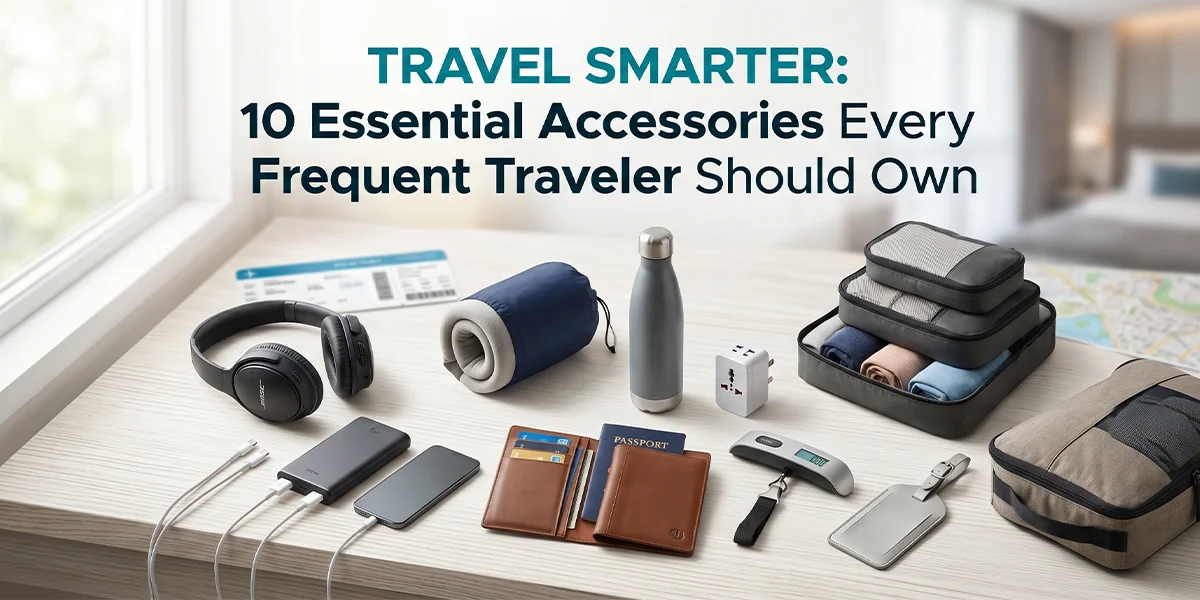
Packing cubes help maximize space and improve organization.
Protect Valuables
Keep electronics and important documents secure and easily accessible.
Wear Bulky Clothing
If traveling with heavy jackets or shoes, wearing them instead of packing them can free up valuable luggage space.
Leave Room for Souvenirs
International travelers often return with purchases, so avoid overpacking on departure.
Choosing the Right Cabin Luggage
The ideal cabin suitcase should offer:
- Lightweight construction
- Durable hard-shell protection
- Smooth spinner wheels
- Organized compartments
- TSA-compatible security features
- Airline-compliant dimensions
A premium cabin trolley simplifies travel while ensuring compliance with airline regulations.
Final Thoughts
Understanding cabin luggage rules before your journey can save time, prevent unexpected fees, and make airport travel significantly less stressful.
By choosing airline-compliant luggage, following weight restrictions, packing strategically, and staying informed about security regulations, you can enjoy a smoother travel experience whether you're flying domestically or internationally.
The right cabin luggage isn't just about storage—it's about traveling smarter, moving efficiently, and enjoying every journey with confidence.